
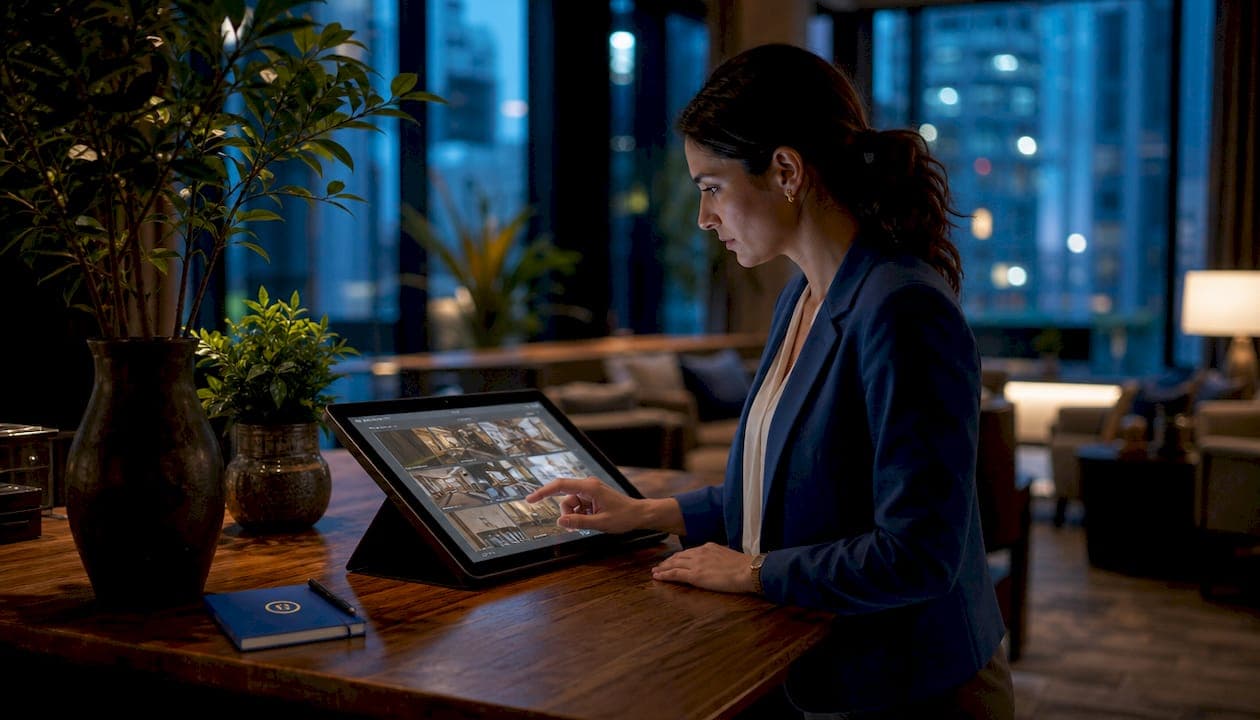
Immersive hotel showcase features are defined as the digital tools and physical installations hotels use to present their rooms and amenities in interactive, experience-driven ways that build guest confidence before arrival. These features span hotel virtual tours, interactive hotel displays, and large-scale experiential installations. Hotels that deploy them well see measurable gains: virtual tours correlate with a 16% increase in bookings by reducing the uncertainty guests feel when browsing online. The industry term for this category is "experiential hotel marketing technology," and understanding how each tool works gives you a clear path to choosing the right combination for your property.
1. What are the top immersive hotel showcase features?
The most effective immersive hotel showcase features fall into three categories: virtual reality and 360° tours, interactive digital signage, and large-scale experiential installations. Each serves a different stage of the guest decision process. Virtual tours work at the research and booking stage. Digital signage works on-property to drive ancillary revenue. Experiential installations create emotional memory that drives repeat visits and word-of-mouth.
2. Virtual reality and 360° hotel tours
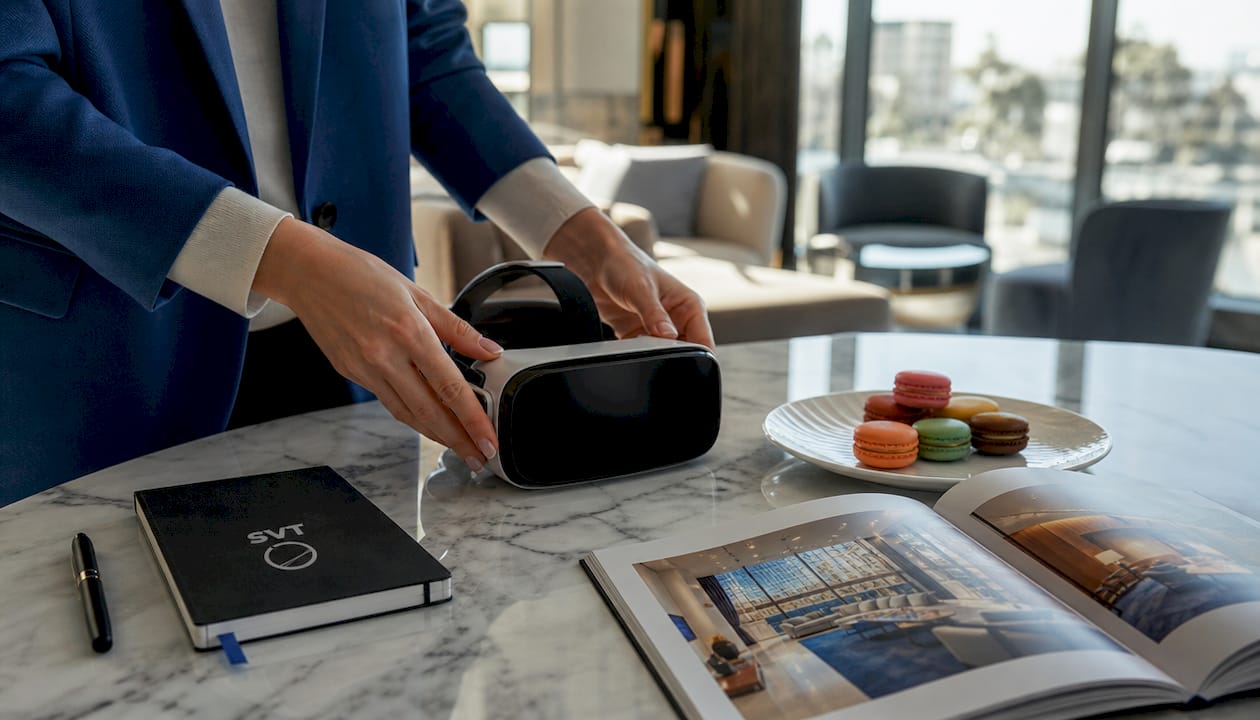
A 360° hotel tour is a spherical panorama that lets guests navigate a space remotely using their browser, phone, or a VR headset. The guest controls the viewpoint, moving from the lobby to a suite to the pool deck at their own pace. This level of transparency removes the guesswork that causes booking hesitation.
Hotels that publish interactive room walkthroughs see a direct lift in conversion. The 16% booking increase cited above reflects a simple truth: guests who have already "walked" a room feel committed before they click "reserve." That pre-arrival familiarity also reduces post-check-in disappointment, which directly affects review scores.
The most effective 360° tours cover:
- Guest rooms and suites at multiple price points, so guests can self-select
- Conference and event spaces with capacity overlays for group planners
- Spa, fitness, and dining areas to justify premium room rates
- Outdoor terraces and pool decks where visual quality drives upgrade decisions
Mobile-first optimization is non-negotiable for this format. Most guests browse on phones, and a tour that loads slowly or breaks on mobile loses the booking at the exact moment of peak interest. Compress equirectangular image files without sacrificing resolution, and test every tour on both iOS and Android before publishing.
Connecting your 360° tour to your booking engine completes the loop. A guest who finishes a virtual walkthrough of a suite should see a "Book This Room" button without leaving the tour interface. Platforms that support booking engine integration make this connection straightforward and measurable.
Pro Tip: Record your 360° tours in the late afternoon when natural light fills rooms. Bright, warm interiors photograph better in equirectangular format than artificially lit spaces, and the result looks more inviting to guests browsing at night.
3. Interactive digital signage and displays
Digital signage is the second pillar of hotel showcasing technology. It works on-property to inform, direct, and sell. Done well, it replaces static printed materials with dynamic content that updates automatically and responds to guest behavior.
The main display types hotels deploy are:
- Lobby welcome screens that greet guests by name when integrated with the property management system (PMS)
- Wayfinding kiosks that replace printed maps and reduce front desk questions
- In-room IPTV channels that promote spa bookings, dining specials, and local experiences
- Event space corridor displays that show real-time room availability and setup configurations
- Restaurant menu boards that update pricing and availability without reprinting
The revenue case for digital signage is strong. Interactive displays can increase on-premises sales by up to 29.5%. That figure reflects the compounding effect of timely, relevant offers placed at the exact moment a guest is deciding how to spend their time. A spa promotion on a lobby screen at 9:00 AM reaches a guest who just finished breakfast and has an open morning.
Digital concierge kiosks also reduce front desk workload by handling navigation, local recommendations, and basic service requests. That frees your team to focus on high-value guest interactions rather than answering "Where is the gym?" twenty times a day.
Connecting signage to your PMS and point-of-sale (POS) system keeps content accurate. PMS-integrated content updates prevent the embarrassing situation of a display promoting a restaurant that closed early or an event that moved rooms. Automation here is not a luxury. It is a basic operational requirement.
Pro Tip: Screens placed in high-ambient light zones, such as near windows or glass atriums, require at least 800 nits brightness to remain readable. Specify brightness ratings before purchasing hardware, not after installation.
4. Large-scale immersive installations and experiential features
Large-scale installations are the category that generates the most social media content and press coverage. They are also the most expensive and the most technically complex. Used correctly, they define a hotel's identity.
The most impactful examples include:
- Curved LED video walls in lobbies that display moving content responding to guest proximity
- Touch-interactive LED panels that guests can engage with directly, changing visuals or accessing information
- Scent diffusion systems that reinforce a brand signature across all public spaces
- Projection mapping on architectural surfaces to create event-specific atmospheres
Touch-interactive LED installations in hotel lobbies create a distinctive experience that guests photograph and share. That organic reach extends your marketing budget without additional spend.
The critical design principle for these installations is architectural integration. A video wall that looks bolted onto a wall reads as an afterthought. One that is built into the structure reads as a design statement. Immersive installations must feel native to the hotel's architecture to sustain guest engagement over time. Static images lose their impact within weeks. Dynamic, moving content keeps the experience fresh for repeat visitors.
"Immersive showcases are not just aesthetic upgrades. They are strategic assets that build guest confidence, close the gap between digital inspiration and physical reality, and reduce post-arrival disappointment at every price point."
Audio visual design plays a central role in how these installations perform. Understanding AV equipment fundamentals before briefing a vendor prevents costly specification errors and ensures the final installation matches the original creative intent.
5. Comparing immersive showcase feature categories
Each category of hotel showcasing technology has a different cost profile, implementation timeline, and return on investment. The table below gives you a direct comparison across the criteria that matter most for budget decisions.
| Feature category | Guest engagement | Typical cost | Implementation time | Best suited for |
|---|---|---|---|---|
| 360° virtual tours | Pre-arrival, booking stage | Low to medium | Days to weeks | All hotel sizes |
| Interactive digital signage | On-property, ancillary sales | Medium | Weeks | Mid-scale to large hotels |
| Large-scale LED installations | On-property, brand impression | High | Months | Luxury and flagship properties |
Virtual tours deliver the highest return relative to cost for most hotels. They require no physical construction, update easily, and work across every device. Digital signage sits in the middle: the hardware investment is real, but the revenue uplift from on-premises sales justifies it at most full-service properties. Large-scale installations are a brand investment, not a direct revenue tool. They pay off through press coverage, social sharing, and the premium rates a distinctive property can command.
For event and group business, all three categories work together. A meeting planner researching your property uses the virtual tour to assess the conference space. They see the digital signage during a site visit and recognize a well-managed property. The lobby installation gives them a story to tell their attendees before they arrive. That combination shortens the sales cycle for group bookings.
6. Choosing the right features for your hotel
The right combination of immersive features depends on your hotel's size, budget, and guest profile. There is no single formula, but there are clear patterns.
Small boutique hotels get the most value from 360° virtual tours. The investment is low, the impact on online conversion is immediate, and the tours can be updated seasonally without major cost. A boutique property with ten rooms can publish a tour that competes visually with a 300-room resort.
Mid-scale urban hotels benefit most from combining virtual tours with digital signage. The signage drives food and beverage revenue and reduces staffing pressure at the front desk. The virtual tour handles the pre-arrival conversion work.
Large resorts and luxury properties have the budget and the guest expectation to justify large-scale installations. Their guests arrive expecting to be impressed. A well-designed LED installation or projection-mapped event space delivers that impression and gives guests a reason to share the experience online.
Across all hotel types, these principles apply:
- Prioritize mobile-friendly formats. Mobile-optimized immersive content must balance visual richness with fast load times to keep guests engaged.
- Connect every digital feature to your booking or POS system. Disconnected tools create outdated information and erode guest trust.
- Update content regularly. A virtual tour filmed three years ago with outdated furniture actively hurts your brand.
- Use immersive content specifically for event and group sales. A 360° conference room tour sent to a meeting planner replaces a site visit and accelerates the decision.
For properties exploring how AV technology shapes hospitality venues, the technical requirements for immersive installations have become more accessible and more standardized in 2026 than they were even two years ago.
Key takeaways
The most effective immersive hotel showcase strategy combines 360° virtual tours for pre-arrival conversion, digital signage for on-property revenue, and experiential installations for brand differentiation.
| Point | Details |
|---|---|
| Virtual tours drive bookings | Hotels with 360° tours see a 16% increase in bookings by reducing guest uncertainty. |
| Digital signage lifts on-site revenue | Interactive displays can increase on-premises sales by up to 29.5% when integrated with PMS and POS. |
| Mobile optimization is required | Immersive content must load fast and display correctly on phones to convert browsing guests. |
| Installations need system integration | Connecting signage and tours to live hotel systems prevents outdated content and builds guest trust. |
| Match features to hotel size | Boutique hotels start with virtual tours; large resorts layer in signage and experiential installations. |
What I've learned about immersive hotel marketing
The hotels that get the most out of immersive technology are not the ones with the biggest budgets. They are the ones that treat these tools as part of their sales process, not as a one-time marketing project.
I have seen properties invest in a beautiful 360° tour and then leave it unchanged for two years while the furniture gets replaced and the lobby gets repainted. That tour becomes a liability. Guests arrive expecting what they saw online and find something different. The fix is simple: build a content review cycle into your annual marketing calendar.
The other mistake I see regularly is overcomplicating the guest experience. A lobby installation with too many interaction options confuses guests rather than engaging them. The best immersive features have one clear purpose and one clear action. A wayfinding kiosk should find things. A virtual tour should show a room. Clarity drives engagement. Complexity kills it.
AI-powered personalization in virtual tours is the next real shift in this space. Tours that adapt their content based on whether the viewer is a leisure traveler or a meeting planner will outperform static tours within the next few years. If you are building a virtual tour program now, choose a platform that supports dynamic content and integration, not just a static image viewer.
— Andrea
How Simple Virtual Tour supports hotel showcase programs
Hotel marketing managers who want to build a professional 360° tour program without a large technical team have a direct path forward with Simple Virtual Tour.
Simple Virtual Tour gives you the tools to create interactive hotel tours that connect directly to your booking engine, display correctly on every device, and update without developer support. The platform supports live session capabilities, e-commerce integration, and both cloud-hosted and self-hosted deployment, so you control your data and your costs. Over 1,400 users across real estate and tourism already use it to present spaces with the kind of visual depth that converts browsers into guests. If your property is ready to move beyond static photos, Simple Virtual Tour is a practical starting point.
FAQ
What are immersive hotel showcase features?
Immersive hotel showcase features are digital tools and physical installations that let guests explore a hotel's rooms and amenities interactively before or during their stay. They include 360° virtual tours, interactive digital signage, and large-scale LED or projection installations.
Do virtual tours actually increase hotel bookings?
Hotels with virtual tours available see a 16% increase in bookings. The gain comes from reduced uncertainty: guests who have already explored a room virtually are more confident when they book.
What is the best immersive feature for a small hotel?
A 360° virtual tour is the best starting point for a small hotel. The cost is low, implementation takes days to weeks, and the impact on online booking conversion is immediate.
How does digital signage increase hotel revenue?
Interactive digital signage can increase on-premises sales by up to 29.5% by placing timely, relevant offers in front of guests at the right moment. Integration with PMS and POS systems keeps the content accurate and current.
What should hotels connect their immersive features to?
Hotels should connect virtual tours and digital signage to their property management system and booking engine. This connection enables real-time content updates and prevents guests from seeing outdated room availability or pricing information.