
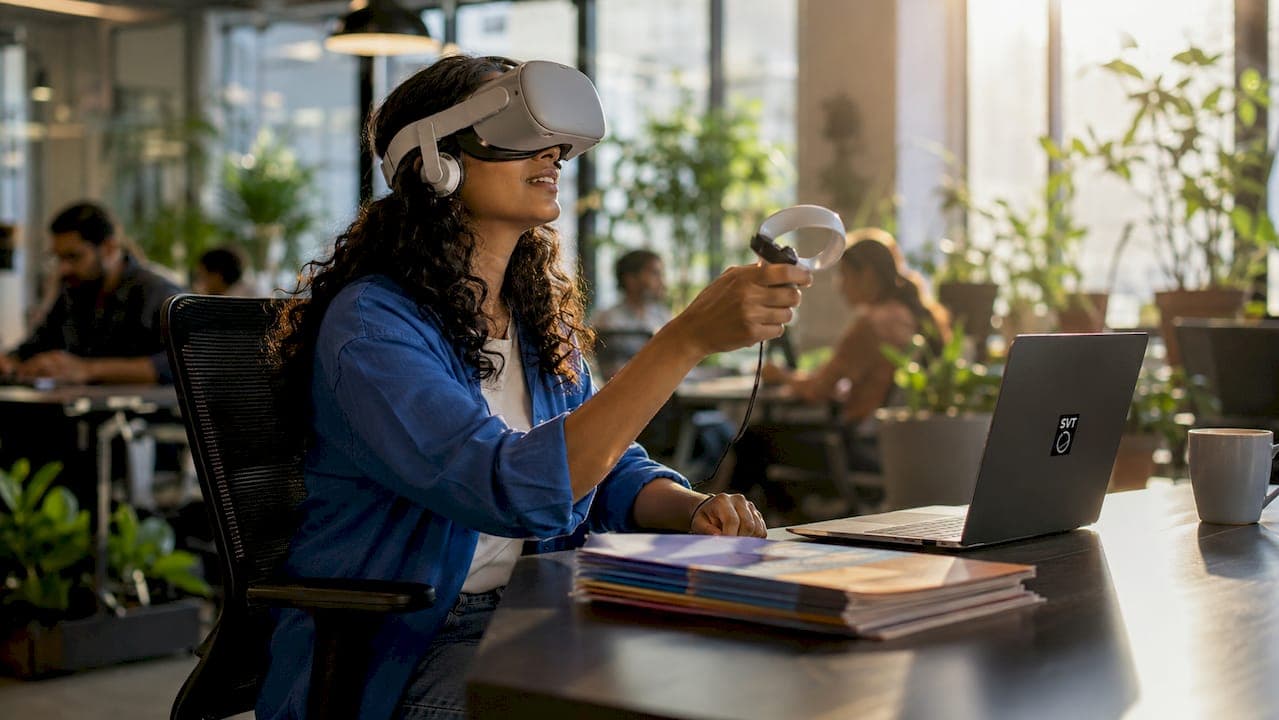
Virtual tours are defined as immersive, interactive digital experiences that use technologies like virtual reality (VR), augmented reality (AR), and digital twins to let you explore destinations without physically traveling there. How virtual tours support sustainable tourism is now a central question for eco-conscious travelers, destination managers, and policymakers alike. These digital tools reduce carbon emissions from unnecessary travel, protect fragile ecosystems, and create economic opportunities for local communities. Organizations like the OECD and conservation frameworks like Natura 2000 increasingly recognize digital visitation as a practical tool in the green transition for global tourism.
How virtual tours reduce environmental impact compared to traditional travel
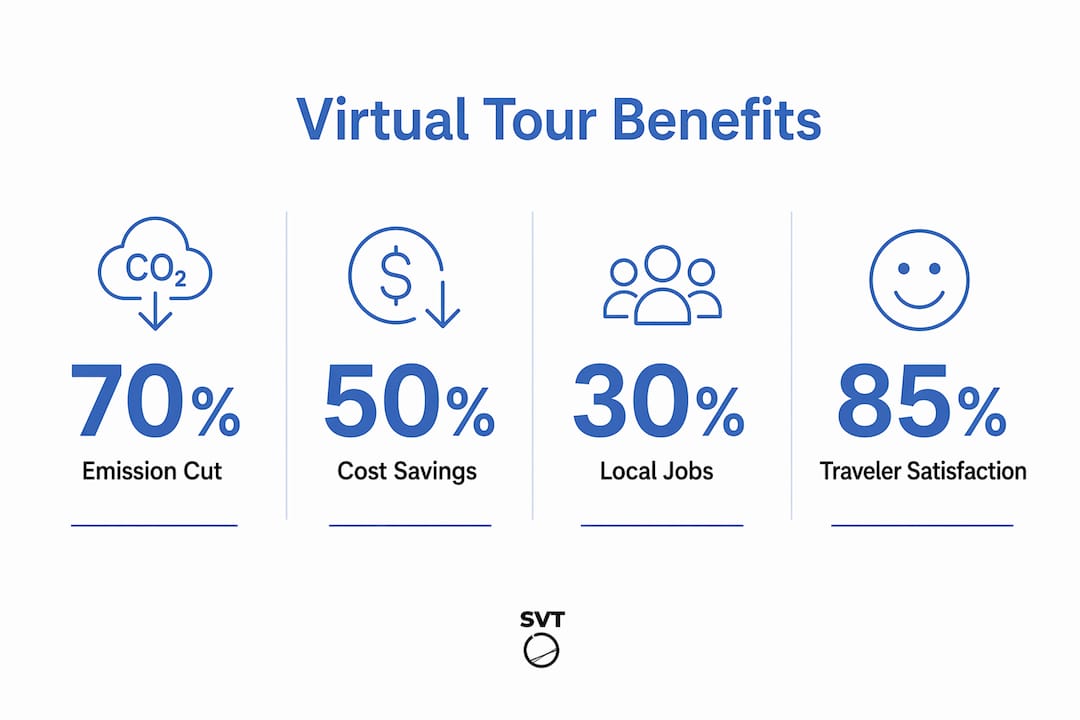
Virtual tours cut the environmental cost of travel by eliminating transportation emissions entirely for the digital visit. Every flight avoided means a measurable reduction in carbon output. For destinations under severe ecological pressure, this matters enormously.
The Tadoba-Andhari Tiger Reserve in India offers a clear example. Its VR wildlife experience delivers a six-minute, 360-degree film for just Rs 50 per session. Visitors experience core zone wildlife without physically entering sensitive habitats, which directly reduces disturbance to tigers and their prey.
- Transportation emissions are avoided entirely for the virtual visit.
- Foot traffic on fragile trails, coral reefs, and cultural sites drops when virtual previews satisfy curiosity.
- Wildlife habitats face less noise pollution and human disturbance.
- Cultural monuments experience reduced physical wear from crowds.
Pro Tip: Before booking any international trip, check whether your target destination offers a virtual preview. A high-quality virtual experience may satisfy your curiosity about a fragile site and redirect your physical travel to a less pressured location.
One fair concern about virtual tours is the energy consumed by data centers. The answer lies in renewable energy adoption. Platforms that run on green energy infrastructure significantly offset the carbon cost of digital delivery. The net environmental benefit of a virtual visit still far outweighs a long-haul flight.
Do virtual tours actually change how travelers behave?
The psychological impact of immersive virtual experiences on real-world travel decisions is well documented. A June 2026 study of 481 respondents using partial least squares structural equation modeling found that immersive virtual environments increase travelers' intention to engage in responsible behavior. The mechanism is emotional: vividness and perceived control during the virtual experience create a sense of personal connection to the destination.
Three psychological factors drive this effect:
- Telepresence: The feeling of "being there" creates genuine emotional investment in a place's wellbeing.
- Vividness: High-quality visuals and spatial audio make the experience feel real enough to trigger conservation instincts.
- Social presence: Shared virtual experiences, such as live-guided tours, build community around responsible travel values.
Perceived augmentation quality in AR and VR tours satisfies traveler curiosity and creates emotional bonds that reduce the desire for high-impact physical travel. This is a counterintuitive finding: the better the virtual experience, the less likely a traveler is to make an impulsive, carbon-heavy trip. Users who feel emotionally connected to a destination through a virtual tour also support sustainable tourism at higher rates.
Pro Tip: Look for virtual tours that include narration from local guides or conservationists. That human element deepens your emotional connection and makes the educational content far more memorable.
Virtual tours also function as conservation education tools. A well-designed tour of a coral reef or ancient ruin teaches you about fragility, restoration efforts, and the real cost of overtourism. That knowledge travels with you into every future travel decision you make.
How virtual tours create jobs and support local communities
Virtual tourism is not just about reducing harm. It actively creates economic value for communities that depend on tourism, without requiring more physical visitors.
The Tadoba-Andhari VR initiative demonstrates this directly. The program has created about 40 local jobs in a community adjacent to a protected tiger reserve. Local residents manage the VR units, guide virtual visitors, and deliver conservation messaging. The economic benefit flows directly to the people who live alongside the ecosystem, giving them a financial stake in protecting it.
- Local employment: Community members operate VR equipment and manage visitor experiences.
- Conservation messaging: Locals share firsthand knowledge about wildlife and habitat protection.
- Diversified income: Virtual tourism revenue supplements traditional income streams without adding ecological pressure.
- Community ownership: When locals control the experience, cultural authenticity and conservation values stay intact.
Pro Tip: When choosing a virtual tour, prioritize experiences that are community-managed. Your participation directly funds local livelihoods and conservation programs.
Local community involvement in managing VR ecotourism units ensures that conservation benefits align with the livelihoods of the people who live there. This alignment is what makes virtual tourism a genuinely sustainable model, not just a digital novelty. For travelers, choosing these experiences is one of the most direct ways to support conservation through tourism spending.
How do destinations use digital twins for ecological planning?
Digital twin technology represents the most precise application of virtual tour data in sustainable tourism management. A digital twin is a millimeter-accurate virtual replica of a physical location, built from thousands of drone images and billions of data points.
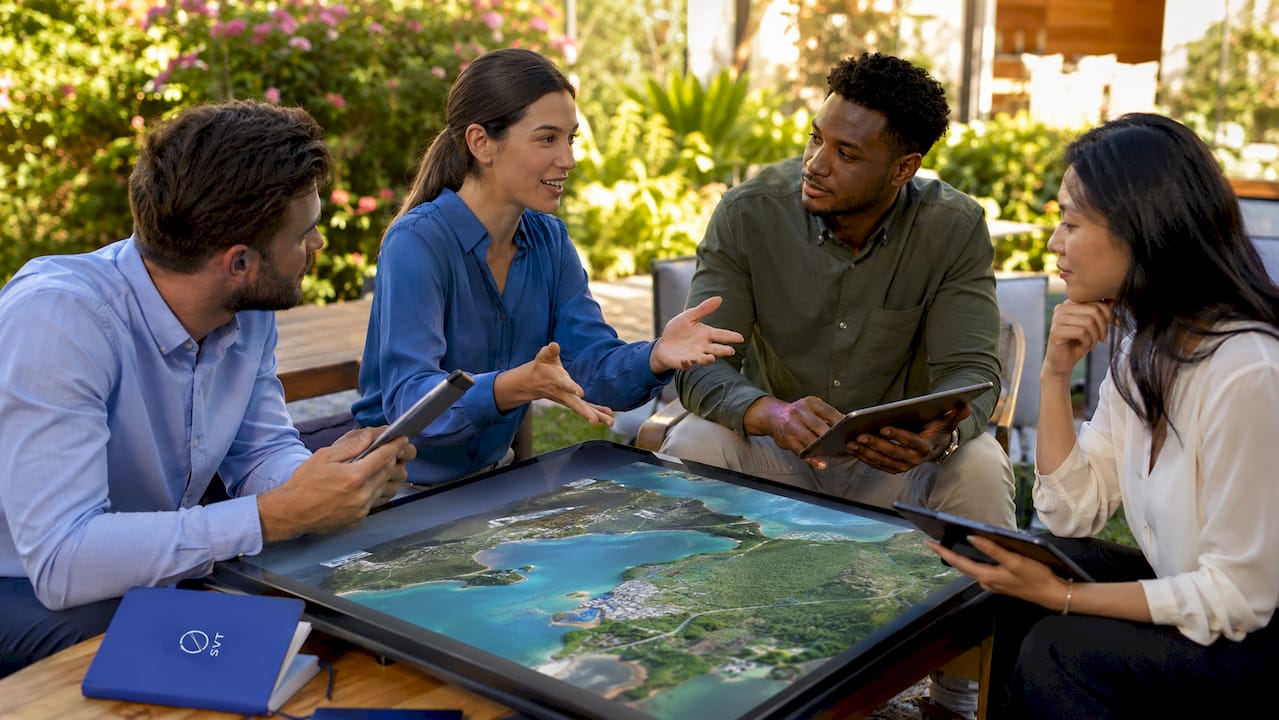
Malta's Blue Lagoon project is the clearest current example. Authorities created a national-scale digital twin from over 4,500 drone images and 2 billion data points over a year-long project. The result is a walkable, immersive replica that planners use to simulate restoration scenarios and assess ecological impact before any physical intervention occurs.
| Application | What it does | Sustainability benefit |
|---|---|---|
| Ecological impact simulation | Models human activity on ecosystems | Prevents irreversible habitat damage |
| Visitor flow management | Tracks congestion in real time | Reduces overtourism at peak sites |
| Restoration planning | Tests interventions digitally first | Saves resources and avoids trial-and-error damage |
| Policy development | Provides data for evidence-based decisions | Aligns tourism growth with conservation targets |
XR technologies enable digital testing of tourism offers, saving resources and reducing environmental burdens before physical implementation. This means a destination can model the impact of a new trail, a new visitor center, or a seasonal access policy in a virtual environment before committing to construction or policy change.
The OECD's 2026 tourism report highlights digitalization as key in the green transition for tourism, with a specific focus on building SME capacity for data-driven policymaking. Small tourism operators can use virtual tour platforms to collect visitor behavior data and feed it into sustainability planning without needing enterprise-level infrastructure.
Integrating virtual tours into your sustainable travel decisions
Virtual tours work best as part of a broader approach to eco-friendly travel, not as a complete replacement for physical experiences. The goal is a hybrid model where digital and physical travel complement each other.
Virtual tours act as a triaging mechanism for destinations by helping balance tourism flows and reduce overcrowding. They shift visitor traffic toward off-peak seasons and satellite locations, spreading the economic and ecological load more evenly.
Here is how you can integrate virtual tours into your travel planning:
- Pre-trip research: Use virtual tours to evaluate destinations before booking. A poor virtual experience often signals a destination that is not ready for high visitor volumes.
- Substitute fragile sites: Replace physical visits to critically sensitive ecosystems with virtual alternatives. Reserve your physical presence for destinations that can absorb it responsibly.
- Discover off-peak and lesser-known sites: Virtual previews of less-visited locations often reveal destinations that are just as rewarding as famous ones, with far less ecological pressure.
- Hybrid experiences: Combine a virtual tour of a cultural heritage site with a physical visit to a nearby community market. You get depth without concentrating impact on a single fragile location.
Experts advocate for a hybrid "between worlds" tourism model where virtual experiences complement physical travel and reflect cultural aspirations. This framing matters because it removes the false choice between "real travel" and "digital substitution." The most responsible travelers use both.
You can also explore tourist attraction presentation tools to understand how destinations are building these digital experiences and what quality benchmarks to look for. For cultural sites specifically, virtual tour ideas for cultural education show how immersive experiences preserve heritage while reducing physical wear on irreplaceable sites.
Immersive technology in tourism continues to expand rapidly, giving travelers more high-quality virtual options every year. The practical result is that eco-conscious travelers now have real digital alternatives for some of the world's most pressured destinations.
Key Takeaways
Virtual tours are the most direct digital tool available for reducing tourism's environmental footprint while maintaining meaningful engagement with destinations and communities.
| Point | Details |
|---|---|
| Environmental impact reduction | Virtual visits eliminate transportation emissions and reduce physical pressure on fragile ecosystems. |
| Behavioral change | Immersive virtual experiences increase travelers' intention to make responsible travel decisions. |
| Community economic benefit | Community-managed VR programs like Tadoba-Andhari create local jobs without adding ecological pressure. |
| Precision ecological planning | Digital twins built from millions of data points allow destinations to simulate and prevent environmental damage. |
| Hybrid travel model | Combining virtual and physical travel spreads tourism impact and supports conservation more effectively than either alone. |
Why I think virtual tours are more than a sustainability workaround
The conversation around virtual tours and sustainable tourism often gets stuck in a defensive posture. Critics frame digital experiences as a consolation prize for travelers who "can't" visit the real thing. That framing is wrong, and I think it is holding back genuinely useful progress.
What I have seen in the evidence from places like Tadoba-Andhari and Malta's Blue Lagoon is that virtual tours are not a substitute for real travel. They are a different kind of engagement entirely. The Tadoba VR experience does not try to replicate a physical safari. It creates a community-owned, conservation-funded encounter that a physical safari could never deliver at Rs 50 per session.
The behavioral research reinforces this. Travelers who engage deeply with a virtual experience do not lose interest in the physical world. They become more thoughtful about how they engage with it. That is the outcome sustainable tourism actually needs: not fewer travelers, but more deliberate ones.
My honest concern is that the technology is moving faster than the cultural frameworks around it. Co-designing virtual experiences with local communities, respecting cultural protocols, and ensuring that digital revenue flows back to the right people requires intentional effort. The technology is ready. The governance structures are still catching up.
For eco-conscious travelers, the practical takeaway is simple. Treat virtual tours as a first-class form of engagement, not a backup plan. Use them to learn, to decide, and sometimes to replace a trip that would cause more harm than good.
— Andrea
Build your own virtual tour for sustainable tourism
Destinations, community organizations, and individual travelers can all create virtual tours that support eco-friendly travel goals. Simple Virtual Tour gives you the tools to build unlimited interactive virtual tours without needing technical expertise.
The platform supports both cloud-hosted and self-hosted deployments, so you keep control of your data and your costs. With features like live session capabilities and e-commerce integration, you can deliver conservation messaging, community storytelling, and guided virtual experiences to a global audience. Over 1,400 users already use Simple Virtual Tour to create engaging digital presentations across tourism and real estate. If you are ready to create your first virtual tour and contribute to responsible tourism, Simple Virtual Tour makes the process straightforward from day one.
FAQ
What are virtual tours in sustainable tourism?
Virtual tours are immersive digital experiences using VR, AR, or 360-degree video that let travelers explore destinations without physically visiting them. They reduce transportation emissions and ecological disturbance while maintaining meaningful engagement with places and cultures.
Do virtual tours actually reduce carbon emissions?
Virtual tours eliminate travel-related emissions for the digital visit entirely. The net environmental benefit of replacing a long-haul flight with a virtual experience is significant, even when accounting for data center energy use.
How do virtual tours help local communities?
Community-managed virtual tour programs like the Tadoba-Andhari VR initiative create local jobs and generate income without increasing physical visitor pressure on sensitive ecosystems.
What is a digital twin in tourism?
A digital twin is a millimeter-precise virtual replica of a physical location built from drone imagery and large datasets. Malta's Blue Lagoon digital twin, built from over 4,500 drone images and 2 billion data points, is used for ecological planning and sustainable restoration.
Can virtual tours replace physical travel entirely?
Virtual tours are most effective as part of a hybrid travel model, not a full replacement. They complement physical travel by helping travelers make more deliberate choices, reduce visits to fragile sites, and discover less-pressured destinations.